It is rarely “just” lipstick. Every morning, as you scan your collection, your hand drifts toward a specific tube instinctively.
That choice is not trivial—it’s a psychological broadcast revealing mood, personality, and self-perception. Each hue conveys a subtle message to the world.
Lipstick serves as a modern form of armor and expression, silently communicating confidence, ambition, and emotional resilience. Color psychology reveals that personal aesthetics mirror the subconscious mind.
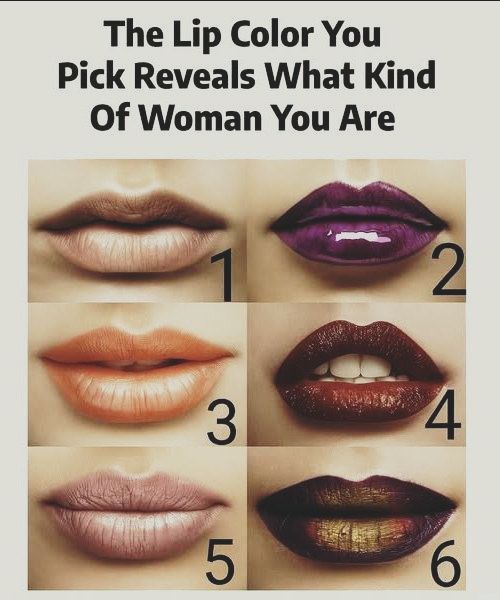
The Nude Lip, often called the hallmark of the “Natural Soul,” signals grounded authenticity. Those who prefer nude shades embrace subtlety and transparency, projecting honesty and quiet confidence that resonates more deeply than flashy appearances.Wearers of nude lips prioritize comfort in their own skin. They are unassuming yet strong, preferring consistency and reliability in social and professional contexts, embodying a natural elegance that invites trust without demanding attention.Bold Purple lips mark the “Fearless Visionary.” Choosing violet or plum is an intentional act of rebellion, signaling creativity, independence, and willingness to challenge social norms while asserting a magnetic presence in any environment.
Purple-lip wearers often influence trends rather than follow them. Their choice suggests leadership in thought and action, a refusal to conform, and an innate ability to redefine space and command attention without needing verbal assertion.
Deep Red, the shade of the “Passionate Romantic,” carries historical weight as a symbol of power, confidence, and authority. Red lips have been associated with assertiveness, romance, and personal agency for centuries across multiple cultures.
Research from Harvard Health indicates that deliberate self-expression through color strengthens emotional well-being. Wearing deep red enhances perceived self-efficacy, signaling decisiveness and passion while inviting respect and admiration from observers.
Red-lip individuals are not merely seeking attention; they naturally command it. Their presence is both assertive and captivating, reflecting a personality that combines focus, ambition, and a readiness to pursue goals with precision and intensity.
Orange lipstick embodies the “Energetic Optimist.” This vibrant hue exudes playfulness, enthusiasm, and a zest for life. Those who select orange approach daily experiences with curiosity and joy, infusing spaces with warmth and vitality.
Orange-lip wearers inspire energy in others. Their personalities are often adventurous and outgoing, embracing risk-taking and novelty while celebrating creativity, spontaneity, and the ability to find excitement in ordinary moments.
The Mauve Lip is the signature of the “Thoughtful Dreamer.” Subtle yet profound, this choice reflects emotional intelligence, introspection, and sensitivity. Mauve users navigate the world carefully, observing nuances others may overlook.
Those who wear mauve communicate empathy and reflection. They lead with calm authority and gentle persuasion, demonstrating that emotional awareness and deliberate decision-making can be as impactful as overt displays of confidence.
Metallic Purple-Gold lips belong to the “Mysterious Powerhouse.” Complex and multidimensional, this shade signals independence, individuality, and hidden depths. Its wearer is intriguing, often misunderstood, and thrives on the enigma created by layered personality traits.
This shade represents a person who cannot easily be categorized. They move through life as a force of nature, combining intellect, charisma, and originality, leaving a lasting impression without needing constant explanation or validation.
Beyond individual personalities, lipstick choices can shift with context, mood, and evolving self-image. Your preferred shade today may differ tomorrow, reflecting growth, aspirations, or the psychological landscape of your current life stage.
Color psychology suggests our aesthetic preferences provide insight into emotional state and identity. Lipstick, therefore, functions as a daily ritual connecting inner self-perception with outward presentation, blending conscious intention with subconscious expression.
The act of applying lipstick transforms routine into empowerment. Each stroke signals preparation, intention, and readiness to face interpersonal or professional challenges, reinforcing confidence and self-awareness before the first interaction occurs.
Historical context reinforces this symbolism. Across centuries, cultures have used lip coloring as social indicator, status symbol, and protective ritual, underscoring lipstick’s long-standing role in communicating identity and intent silently.
In modern society, lipstick selection is intertwined with fashion, media representation, and self-branding. Individuals may consciously or subconsciously adapt shades to align with trends, events, or desired impressions, amplifying personal narrative through color.
The relationship between color and emotion is supported by psychological studies. Specific hues trigger neural responses that affect mood, social perception, and even interpersonal dynamics, highlighting the powerful role of aesthetic choice in daily life.
Nude shades convey stability and subtlety, while vibrant hues like red or orange project dominance and enthusiasm. Each choice creates a feedback loop, influencing how others perceive you and how you perceive yourself simultaneously.
Lipstick can also be a shield. In professional or social settings, color choice can signal authority, caution, approachability, or ambition, acting as a form of silent negotiation before any words are spoken.
The evolution of lipstick preference parallels personal development. Early experimentation with bolder shades may give way to nuanced tones reflecting maturity, experience, or shifting priorities, illustrating the intimate relationship between aesthetics and personal growth.
Cultural factors further influence selection. Regional norms, media exposure, and peer behavior all shape the subconscious appeal of specific colors, integrating social learning with individual identity formation in subtle and meaningful ways.
Leave a Reply