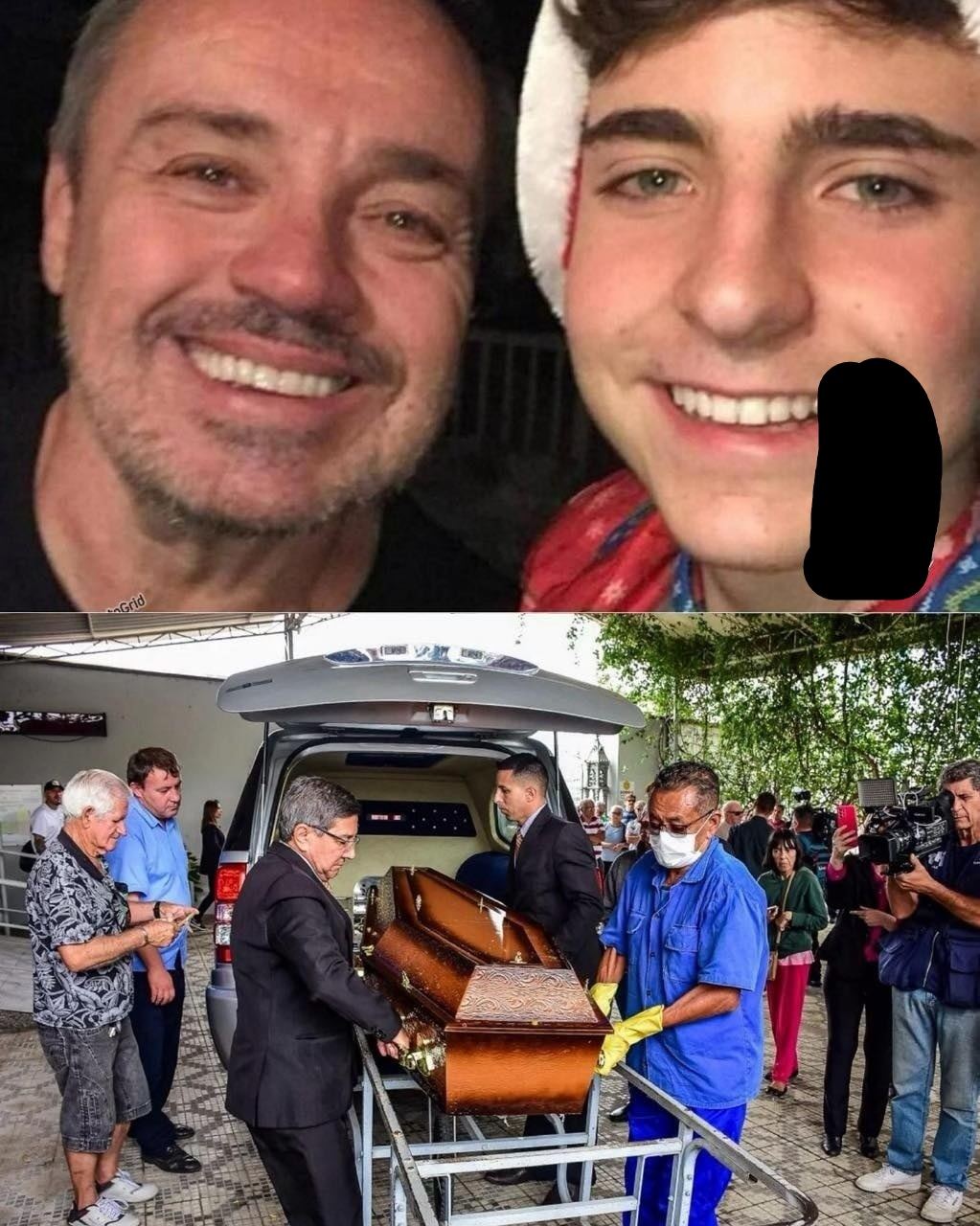
The moment a child shares a vulnerable truth about who they are, everything seems to pause. That single instant carries the weight of trust, fear, and hope. A parent’s response—one look, one word—can either protect that fragile honesty or crush it. This is where love is tested in its purest form.
When a child opens their heart, they are offering more than information. They are handing over a piece of their identity, trusting that it will be held gently. A parent’s reaction becomes a blueprint a child may follow for years, shaping how they see themselves and how they move through the world.
Acceptance tells a child they belong exactly as they are. It gives them a foundation strong enough to weather future challenges. Rejection, even subtle, can linger quietly in their confidence and relationships, influencing choices long into adulthood.
Families who choose understanding over assumptions create room for honesty. They show their child that difficult conversations do not have to be dangerous. That reassurance becomes the soil in which self-worth grows.
Unconditional support does not mean having all the answers right away. It means choosing care over control, compassion over discomfort. It means being willing to learn, even when the truth is unexpected or unfamiliar.
Parents who truly listen—without rushing, correcting, or judging—offer a kind of safety that cannot be faked. That safety becomes the space where children learn to trust themselves as much as they trust others.
In these moments, families have the chance to strengthen their bond rather than fear it. They demonstrate that love is not fragile; it becomes stronger when tested.
Ultimately, the measure of a family is not how well it avoids hard conversations, but how bravely it chooses love when those conversations arrive.
Leave a Reply